


Trump Freezes US Foreign Aid, Nigeria Faces Economic Fallout
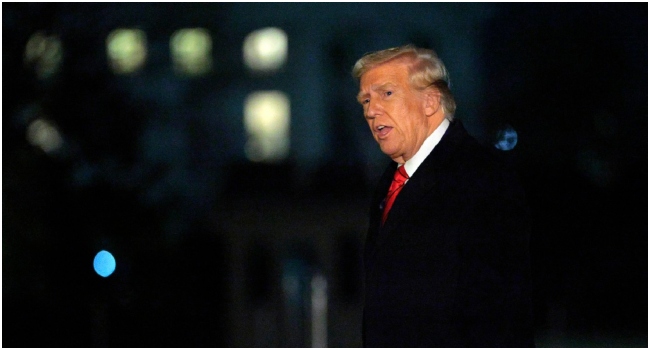
United States President Donald Trump has signed an executive order halting foreign aid spending to ensure alignment with US foreign policy and the “America First” agenda.
The decision, announced by Secretary of State Marco Rubio on Sunday, January 26, 2025, seeks to reassess foreign assistance expenditures by the State Department and USAID.
Rubio emphasized that every dollar spent must answer three key questions: “Does it make America safer? Does it make America stronger? Does it make America more prosperous?” He described the move as a “moral imperative” to ensure taxpayers’ money is efficiently used.
The suspension of US aid is expected to have a significant impact on Nigeria, one of the largest beneficiaries of American assistance. Nigeria, home to over 214 million people, has relied on US support for critical sectors, including health, education, food security, disaster relief, and electricity.
In the health sector, US funding has exceeded $3 billion since 2015, aiding efforts to combat diseases such as malaria, tuberculosis, and HIV/AIDS. A pause in funding could severely affect immunization programs, maternal and child health initiatives, and disease control measures.
Nigeria’s education system may also suffer, as the US has invested $179.1 million since 2014 to improve access to quality education. The freeze could worsen the country’s already high out-of-school children rate, currently estimated at 10.2 million.
Agricultural support is another area of concern. USAID has provided food aid and financial support to Nigerian farmers, including $438.2 million in food security programs between 2018 and 2020.
The withdrawal of these funds could exacerbate hunger and food insecurity, particularly in conflict-affected regions.
Additionally, disaster relief efforts may take a hit. In 2024 alone, the US allocated over $33.5 million to help Nigeria manage flooding and humanitarian crises. The aid freeze could limit emergency response capabilities and leave thousands vulnerable.
Nigeria’s power sector, which has benefited from a $115.2 billion USAID-backed technical assistance program, could also face setbacks in its reform and expansion efforts.
The decision marks a significant shift in US foreign policy and is expected to spark global reactions, particularly from nations heavily reliant on American aid.