



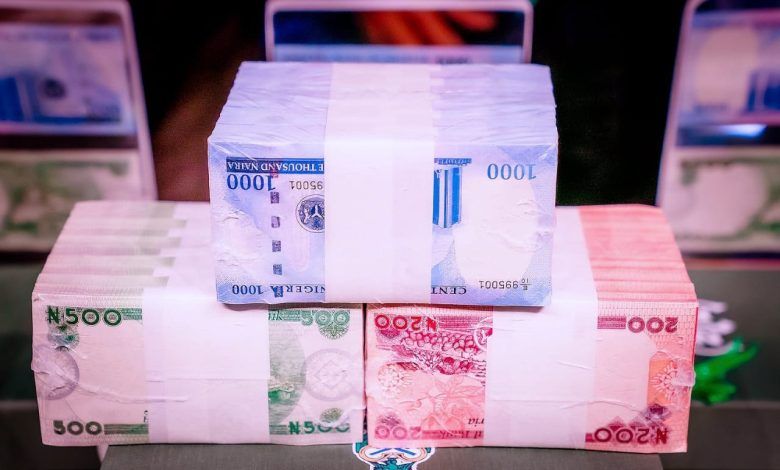
Naira Faces Further Pressure Amid Dollar Demand and Global Headwinds
The Nigerian naira weakened further in March 2025, recording declines in both the official and parallel foreign exchange markets.
According to the latest Afrinvest Monthly Market Report, the naira depreciated by 2.4% at the Nigerian Autonomous Foreign Exchange Market (NAFEM), settling at ₦1,536.82 per dollar, while in the parallel market, it dropped by 2.6% to ₦1,530.00/$.
AIICO Capital also confirmed the currency’s downward trend, attributing the depreciation to heightened demand for foreign exchange. Despite efforts by the Central Bank of Nigeria (CBN), including injecting $668.8 million into the market, the naira weakened by nearly 3% over the course of the month.
The pressure stemmed mainly from strong demand by foreign portfolio investors and local businesses, which continued to outweigh available supply. Even though CBN interventions helped improve liquidity at mid-month, the naira remained under strain.
In the final week of March, modest appreciation was observed, but overall, the currency ended the quarter down by seven basis points, while external reserves declined by approximately $110 million to $38.31 billion.
Looking ahead, analysts believe that the CBN will maintain its intervention strategy to stabilise the naira.
However, they warned that global economic uncertainties—such as new U.S. tariffs and possible retaliatory trade measures—could lead to increased volatility and capital outflows.
Further reinforcing this concern, the CBN disclosed that recent developments in the global economy, particularly trade policies under U.S. President Donald Trump, have impacted Nigeria’s currency.
In response, the bank sold $197.71 million to authorised dealers between April 3 and 4, with rates ranging from ₦1,519 to ₦1,595.20 per dollar.
In a statement signed by Omolara Duke, Director of the Financial Markets Department, the CBN reaffirmed its commitment to ensuring market stability and transparency. Dealers were also urged to strictly follow the Nigeria FX Market Code.
The naira also witnessed notable volatility during the first week of April. While initially stable due to consistent CBN support and moderate offshore inflows, it depreciated sharply midweek as oil prices dropped and foreign demand surged.
By week’s end, the currency declined by nearly 2% to ₦1,567.02/$, with foreign reserves falling to $38.15 billion.
Market watchers say the conclusion of Nigeria’s crude-for-naira initiative could further fuel foreign exchange demand, especially as more refineries and importers seek dollars for petroleum product purchases.
CardinalStone, a leading investment firm, noted that rising domestic dollar demand and investor concerns over Nigeria’s fiscal position have intensified the pressure.
It highlighted a decrease in crude oil output from 1.74 million barrels per day in January to 1.67 million in February, alongside a 14.2% year-to-date drop in oil prices.
Economist Marcel Okeke also cautioned that the global effects of the U.S. tariff policy could lead to rising import costs and inflation in Nigeria, given the country’s heavy reliance on imported goods.